

미세다공성 구조 티타늄 소재
티타늄은 생체 적합성, 정균성, 고강도, 경량, 내식성 및 중금속 침전이 없기 때문에 인체 이식 의료 제품에 널리 사용됩니다.
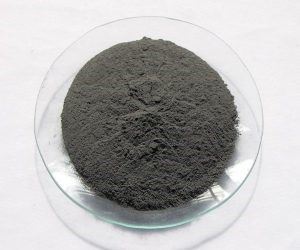
Recently, scientists from the United States, Japan, and South Korea have developed a new method to prepare titanium materials with three-dimensional microstructures. They first prepared a two-layer titanium hydride mesh by printing, then rolled the mesh into a cylinder and reduced it to titanium by partial vacuum sintering. This method gives us greater flexibility in controlling the shape and geometry of the material. Using this technique, the researchers fabricated meshed titanium rolls and characterized their microstructure and mechanical properties. The ink used for printing is composed of titanium hydride powder and a copolymer. The researchers measured the weight, diameter and height of the titanium coils before and after heat treatment to calculate the material's porosity. They also performed uniaxial compression tests on the material, measuring the strain and hardness of the material.
실험 결과는 이 메쉬 구조가 강성, 경도 및 가소성이 매우 잘 맞는다는 것을 보여줍니다. 직교 이중층 메쉬는 함께 소결됩니다. 각 층의 티타늄 섬유에서 미세 기공을 관찰할 수 있습니다. 분말의 입자 크기가 감소함에 따라 소결성은 증가하고 다공성은 감소합니다.
미세다공성 구조의 티타늄은 인체에 이식하는 데 두 가지 다른 이점이 있습니다.
1. 재료의 강성을 감소시켜 응력 차폐 효과를 약화시킵니다.
둘째, 뼈 성장을 유도하고 인체와 임플란트의 결합을 가속화할 수 있습니다. 트러스 구조 또는 마이크로어레이용 티타늄은 고강도, 저밀도 및 우수한 내손상성을 결합합니다.
이러한 재료를 제조하는 현재의 방법에 관한 한, 주로 복제 정밀 주조, 적층 와이어 어레이의 소결 또는 티타늄 분말의 선택적 전자빔/레이저 소결이 포함됩니다.
결국 연구원들은 이 새로운 미세 구조 티타늄 재료의 제조 방법이 티타늄 금속에 적합할 뿐만 아니라 이 방법을 사용하여 다른 실용적인 금속에도 완벽하게 확장될 수 있으며 소결 가능한 산화물에도 사용할 수 있음을 발견했습니다{{ 0}}기반 세라믹 재료.